Homeowner's Guide to finding trusted pest control services
Homeowner's Guide to finding trusted pest control services
Blog Article
Dependable Pest Management Options: Keep Your Home Free of Pests
Effective pest management solutions are vital for maintaining a pleasant home environment. Homeowners face multiple challenges from common pests, which can disrupt daily life. Recognizing the indicators of infestation is the first step in managing these problems. While natural methods have become increasingly popular, understanding the full range of control options is essential. This investigation presents important questions about the equilibrium between DIY solutions and when to seek expert help. What tactics will turn out to be most effective?
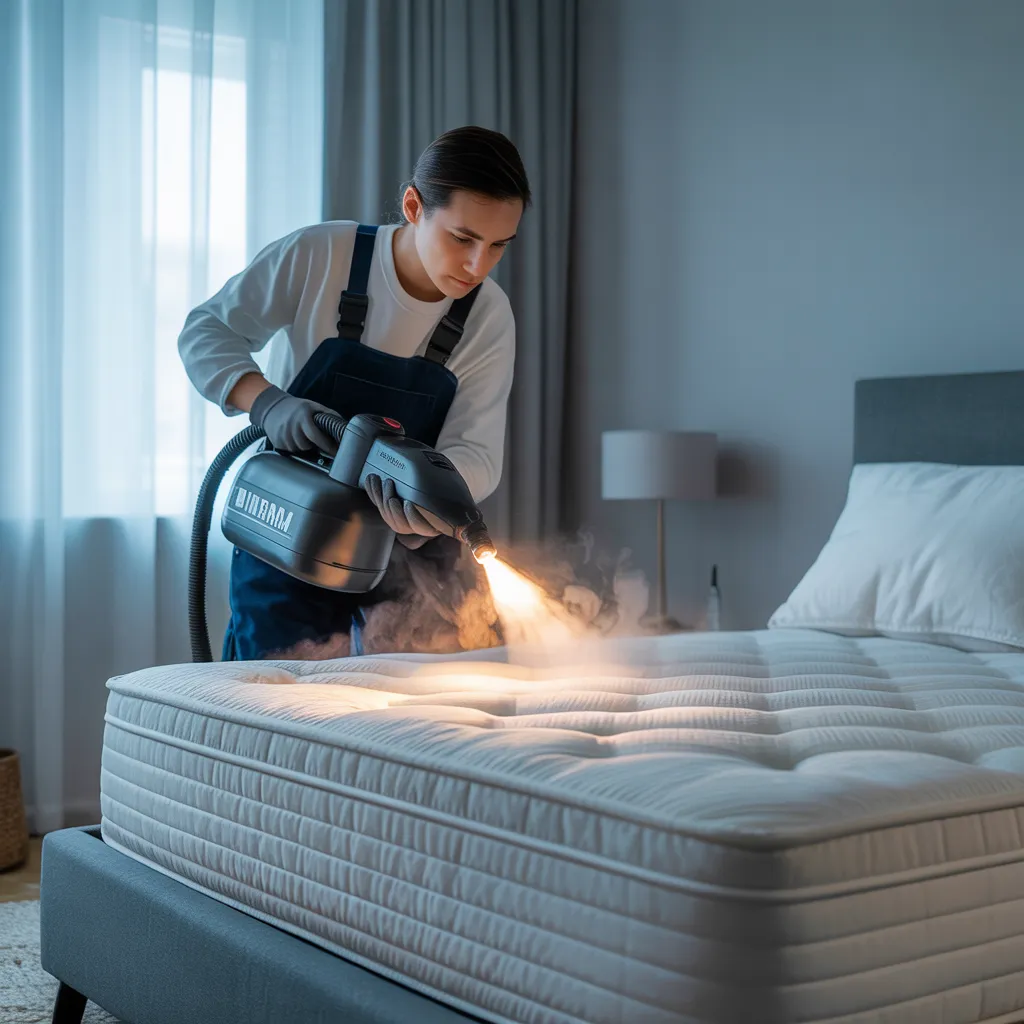
Regular Home Insects and Successful Pest Control
When homeowners notice unwanted guests in their residences, they usually search for prompt ways for common in-home pests. Ants, cockroaches, and rodents are some of the most frequently encountered pests. Ants usually invade kitchens while looking for food, and cockroaches favor dark and warm areas. Rodents, in contrast, can inflict structural damage and threaten health.
Efficient pest management begins with detection and avoidance. Homeowners are recommended to block access openings, preserve tidiness, and eliminate food sources. Poison traps and chemical solutions can be utilized for specific infestations, though attention should be paid to assure wellbeing for children and pets. In severe cases, professional pest control services may be necessary to implement extensive elimination strategies. Understanding the nature of these pests and employing precise tactics fosters a healthier living environment and mitigates upcoming pest outbreaks.
Notice Signals of Infestation
Catching indicators of pest issues is critical for effective pest management. Common indicators include unexpected sounds, distinct smells, and visible droppings or damage to property. Identifying these symptoms in the early stages can help prevent a minor issue from escalating into a substantial crisis.
Normal Bug Indicators
How can one spot the subtle signs of a infestation problem? Identifying common pest indicators is vital to enable quick response. Small droppings, often resembling coffee grounds or rice kernels, can reveal the existence of insects or rodents. Likewise, gnawed materials, like wires or wood, indicate creatures that gnaw such as rats or termites. Strange impressions on furnishings or walls, including smudge marks or scratches, may suggest insect activity. Also, nests or webs in out-of-the-way places often suggest infestations. Property occupants should also watch for shed skins or discarded wings, that are common with particular pests. By being aware of these indicators, one may act preventively to maintain a pest-free environment.
Unusual Noises and Odors
Rare sounds and smells can act as key clues of a pest infestation. Homeowners often hear scratching, running, or chewing noises, especially during the night when pests are most active. These sounds commonly point to the presence of rodents such as mice or rats that dwell in walls, attics, or basements. In addition, specific odors can point to an infestation. A damp or strong odor might indicate a buildup of droppings or urine, while a foul, rotting scent may indicate dead pests are nearby. Recognizing these hearing and olfactory signs is crucial for early detection. Immediate attention to unusual sounds and smells can help homeowners respond before a small problem escalates into a larger pest issue.
Clear Droppings or Damage
damaged furnishings, or even openings in walls
Best Organic Pest Suppression Approaches
Many property owners seek chemical solutions for pest control, yet top natural methods present effective alternatives that prove both eco-friendly and harmless. Botanical extracts, including lavender and peppermint, successfully deter various pests because of their powerful fragrances. Food-grade diatomaceous earth works as a natural insecticide, dehydrating pests on contact. Additionally, vinegar functions as a flexible option, effectively deterring ants and spiders when applied as a liquid mist.
DIY traps, like attractant containers for fruit flies, can also be beneficial. Introducing natural predators, such as ladybugs and lacewings, helps control pest populations without harming the ecosystem. Moreover, frequent tidying and correct pantry organization deter unwanted guests by removing attractants. Planting herbs like basil and rosemary around the home can also serve as organic deterrents. By combining these methods, homeowners can preserve a pest-free environment while encouraging a healthier living space.
Discovering Chemical Pest Management Choices
Chemical pest control options provide a variety of pesticide types created to eliminate particular insects effectively. Understanding these various formulations is vital for effective use and reducing ecological damage. Additionally, adhering to protective measures is imperative to ensure the health of both applicators and nearby environmental systems.
Different Kinds Of Chemical Pesticides
Pesticides fulfill an essential role in contemporary agriculture and pest management, providing a variety of options created to target specific pests efficiently. There are several types of chemical pesticides, including insecticides, which manage insect populations; herbicides, which eliminate unwanted plants; and fungicides, used to combat fungal infections. Additionally, rodenticides are formulated to eliminate rodents, while nematicides focus on parasitic worms. Each category contains various active ingredients, allowing for tailored approaches based on the pest type and infestation level. Systemic pesticides are absorbed by plants, providing internal protection, while contact pesticides act on contact with the pest. Comprehending these classifications aids in selecting the most appropriate pesticide for effective and efficient pest control.
Safety Measures To Take Into Account
When participating in pest control, it is crucial to stress safety measures to mitigate potential risks related to chemical applications. Homeowners should always read and follow label instructions precisely, securing proper dosage and application methods. Personal protective equipment (PPE) such as gloves, masks, and goggles is essential to defend against chemical exposure. It is prudent to position children and pets away from treated areas until the chemicals have dried and the space has been circulated. Additionally, placing pesticides in a protected spot can prevent accidental ingestion. Finally, considering environmentally friendly alternatives can reduce health risks while still effectively managing pest problems. Implementing these precautions guarantees a safer environment while conducting necessary pest control measures.
Implement DIY pest management Tips
Utilizing DIY pest management approaches gives homeowners the ability to handle infestations efficiently and economically. Straightforward solutions frequently leverage everyday household items, making them accessible and economical. For example, a mixture of vinegar and water can discourage ants, while baking soda and sugar can attract and eliminate cockroaches.
Upholding sanitation is vital; securing sealed food containers and immediately removing spills prevent pest appeal. Homeowners may also construct barriers by closing gaps and openings around doors and windows. Essential oils including peppermint and tea tree oil serve as natural pest deterrents, delivering a scented alternative to pesticide chemicals.
Regular property checks for pest presence enable quick response, stopping larger infestations. Baiting stations and traps should be carefully positioned in high-traffic areas to monitor and control pest populations. Through adopting these DIY strategies, homeowners can maintain a pest-free environment while fostering a sense of control and responsibility in their living spaces.
When do you need professional help?
Homeowners may recognize that despite their best efforts with DIY pest control methods, some infestations demand professional intervention. Indicators showing the necessity for expert help include ongoing pest problems, significant invasions, or the presence of pests that pose health risks, such as rodents or termites. If initial treatments fail to yield results, it may be time to consult professionals who have specialized knowledge and tools.
Moreover, specific conditions warrant immediate expert support. These include the detection of nests in hard-to-reach areas, potential structural damage caused from pests, or when dealing with harmful insects, like wasps. Homeowners should as well consider professional assistance if they lack the time or capacity important resource to manage the situation effectively. Ultimately, hiring a pest control expert can promise a thorough analysis and a strategic approach, bringing peace of mind and a pest-free environment.
Often Asked Questions
What Measures Can I Take to Keep Pests From Coming Into My Home?
To guard against pests from infiltrating a home, one should seal cracks, fit protective coverings on windows, copyright sanitation, store food properly, and regularly inspect for marks of invasion. These tactics greatly reduce the likelihood of unwanted occupants.
Are there any Petsafe pest management solutions?
Yes, pest-safe options are accessible for pet owners. Natural deterrents, essential oils, and snares engineered for use around animals can effectively keep away pests while not causing harm pets. Always examine item labels for safety recommendations.
What Are the Prices Involved in Pest Control Solutions?
Pricing for pest control services varies substantially, typically falling from $100 to $300 for first treatments. Ongoing upkeep packages can range $40 to $70 monthly, depending on the degree of the infestation and treatment regularity.
What duration Can You count on From Pest Control Treatment?
Pest control service typically lasts from several weeks to multiple months, depending on the pest variety and the approach employed. Routine check-ins may be required to maintain effectiveness and avoid pest return.
Can Insects Come Back After Treatment, and How Can I Stop That?
Pests may resurface after treatment if not properly managed. Prevention tactics include blocking entry ways, maintaining cleanliness, and routine monitoring. These actions help lower the risk of re-infestation and maintain a pest-free environment.
Report this page